Best Gaming Mouse 2026: Top 5 Picks at Every Price Point
Your mouse is the most tactile piece of your gaming setup — it's the tool you hold for hours, that translates every flick, drag, and click into on-screen action. The wrong mouse causes fatigue; the right one disappears in your hand. We've researched the five best gaming mice for 2026 across every price tier, covering sensor accuracy, weight, click feel, and ergonomics. Whether you spend $25 or $150, here's exactly what we'd buy.
| Pick | Mouse | Price | Weight | Best For |
|---|---|---|---|---|
| 💰 Budget | Logitech G203 | ~$29 | 85g | Casual / first gaming mouse |
| ⭐ Mid-Range | Razer DeathAdder V3 | ~$69 | 59g | Competitive FPS / ergo shape |
| 📡 Wireless Entry | Logitech G305 | ~$79 | 99g | Budget wireless gaming |
| 🎯 Performance | Razer Basilisk V3 | ~$99 | 101g | Feature-rich / MMO / FPS hybrid |
| 👑 Premium | Logitech G Pro X Superlight 2 | ~$159 | 60g | Pro-grade competitive gaming |
Jump to a Section
1. Best Budget Gaming Mouse (~$25–$35)

The Logitech G203 is proof that you don't need to spend much for a capable gaming mouse. It houses the same reliable 8000 DPI sensor found in mice costing twice as much. At 85g it's light, the cable is flexible enough to not feel restrictive, and the 6-button layout covers everything most gamers need. The best $30 you can spend on a gaming peripheral.
Pros
- Exceptional sensor for $29
- Lightweight at 85g
- 6-button layout with side buttons
- G HUB software (optional)
Cons
- Right-handed only shape
- Wired only at this price
- Clicks feel slightly shallow
2. Best Mid-Range Gaming Mouse (~$60–$70)

The DeathAdder V3 is Razer's lightweight evolution of their legendary shape. At 59g it's genuinely ultralight without the honey-comb shell compromise. The Focus Pro 30K optical sensor is class-leading at any price. Razer's optical switches click with a satisfying precision and have a rated 90-million-click lifespan. If you play claw or palm grip on PC, this is the best wired mouse money can buy.
Pros
- 59g is genuinely light
- Best sensor in class (30K optical)
- Optical switches = no debounce lag
- Ergonomic shape fits many grip styles
Cons
- Right-handed only
- Wired (wireless version costs more)
- Razer Synapse software is clunky
3. Best Wireless Entry Gaming Mouse (~$80)

The G305 is how Logitech democratized wireless gaming. LIGHTSPEED wireless delivers 1ms report rate — genuinely indistinguishable from wired in play. Runs on a single AA battery for 250 hours. The HERO sensor is accurate and power-efficient. Ambidextrous shape with side buttons on the left. At $79 there is no better wireless gaming mouse.
Pros
- 1ms wireless = effectively wired
- 250-hour battery life (AA)
- Works on all surfaces
- Affordable wireless entry point
Cons
- Heavier than premium options (~99g)
- Side buttons left-side only
- No RGB (power efficiency trade-off)
4. Best Performance Gaming Mouse (~$100)

The Aerox 3 Wireless solves the weight vs battery tradeoff that plagues most wireless mice. The honeycomb shell design drops it to 68g without sacrificing structural integrity. TrueMove Air sensor is accurate up to 18K DPI. IP54 water resistance is a legitimately useful feature. Dual wireless (2.4GHz for gaming, Bluetooth for travel) makes it versatile.
Pros
- 68g is impressively light for wireless
- IP54 water resistance
- Dual wireless connectivity
- 200-hour battery life
Cons
- Honeycomb shell catches debris
- Right-handed shape only
- SteelSeries GG software can be buggy
5. Best Premium Wireless Gaming Mouse ($150+)
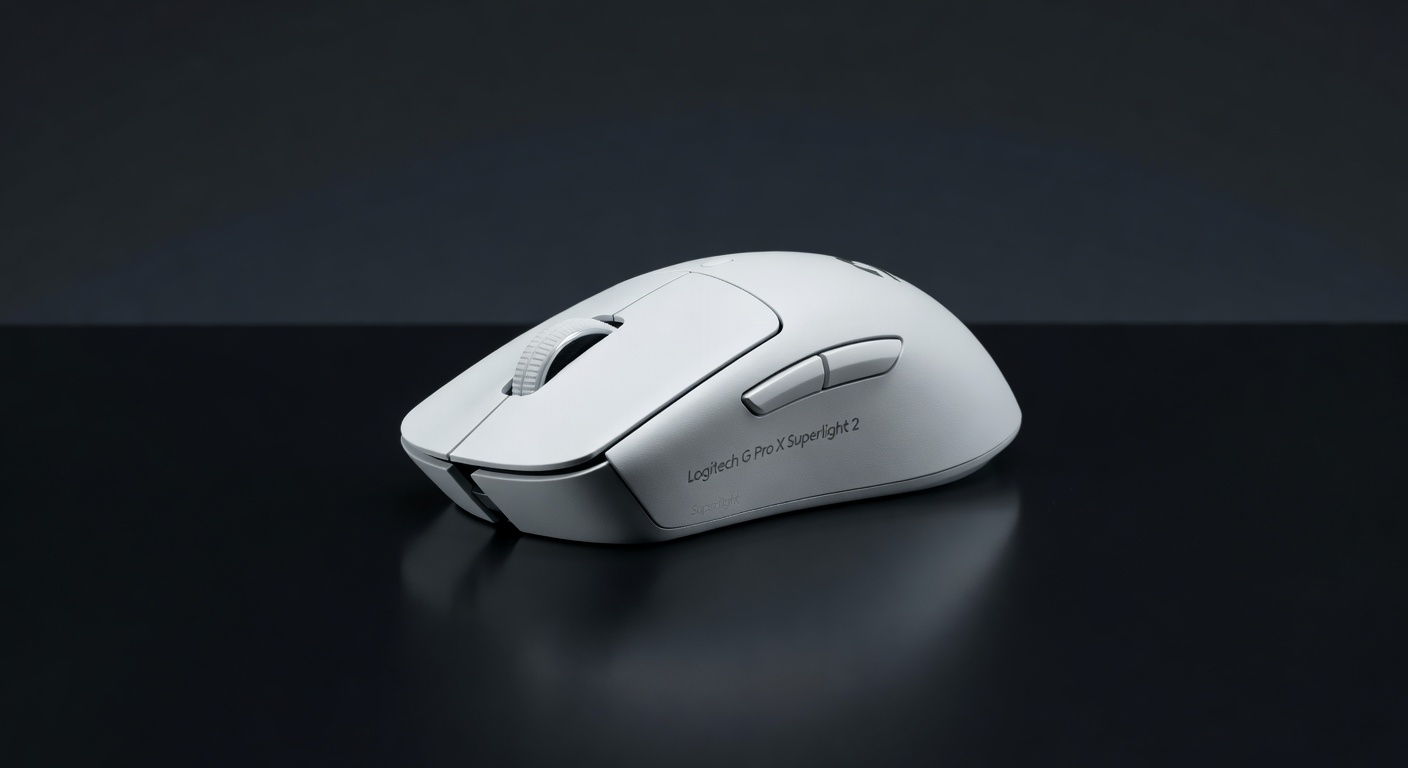
The G Pro X Superlight 2 is the mouse many professional FPS players actually use — not just endorsed-by, actually in their hands at tournaments. 60g with no honeycomb shell. Logitech's HERO 2 sensor is the most accurate gaming sensor on the market at any price. Clicks are precise and consistent. No RGB, no gimmicks. Pure performance.
Pros
- Used by actual professional players
- Best sensor accuracy available
- 60g without honeycomb compromise
- 70-hour LIGHTSPEED battery
Cons
- $159 is a premium ask
- Right-handed shape only
- No RGB (intentional design)
- No side button customization
Quick Comparison: Best Gaming Mice 2026
| Mouse | Price | Weight | Connection | Sensor DPI | Best For | Buy |
|---|---|---|---|---|---|---|
| Logitech G203 LIGHTSYNC | ~$29 | 85g | Wired | 8,000 | Budget Entry | Amazon → |
| Razer DeathAdder V3 | ~$69 | 59g | Wired | 30,000 | Best Wired | Amazon → |
| Logitech G305 LIGHTSPEED | ~$79 | 99g | 2.4GHz Wireless | 12,000 | Best Wireless Value | Amazon → |
| SteelSeries Aerox 3 Wireless | ~$99 | 68g | 2.4GHz + BT | 18,000 | Lightweight Wireless | Amazon → |
| Logitech G Pro X Superlight 2 | ~$159 | 60g | LIGHTSPEED 1ms | 32,000 | Pro-Grade | Amazon → |
Gaming Mouse Buying Guide: What Really Matters
Sensor Accuracy
The sensor is the heart of a gaming mouse. Modern optical sensors from Logitech (HERO), Razer (Focus Pro), and SteelSeries (TrueMove) are all excellent — any difference is negligible for 99% of players. Laser sensors are generally avoided for gaming due to inconsistency on cloth pads. Don't pay attention to maximum DPI claims alone; linearity and consistency matter more.
Weight: How Light Is Too Light?
Lighter mice (under 70g) are generally preferred for flicking and high-sensitivity play in FPS games. Heavier mice (90g+) feel more controlled for low-sensitivity precise aiming styles. Most players in the 70–90g range are well served. Below 60g starts to feel insubstantial for some players — personal preference matters here.
Wired vs Wireless for Gaming
Logitech's LIGHTSPEED and Razer's HyperSpeed wireless technologies achieve 1ms polling rates — effectively removing any competitive disadvantage vs wired. Unless you're spending under $50, wireless is worth considering for the cable-drag-free experience. Budget wireless can still have latency issues, so stick to reputable brands at higher price points.
Grip Style and Shape
Palm grip: you rest your whole hand on the mouse — requires a larger, full-coverage shape (DeathAdder V3, Superlight 2). Claw grip: fingers arched, palm only partially on mouse — medium-sized ambidextrous or right-handed mice work best. Fingertip: only fingertips contact the mouse — very small, lightweight mice preferred. Know your grip before buying.
CPI / DPI: What You Actually Need
Most competitive FPS players use 400–800 DPI with high in-game sensitivity. MMO and casual players often prefer 1600–3200 DPI. Any mouse above 4000 DPI with a reliable sensor is more than enough for any play style — the "32,000 DPI" spec is largely marketing.
More Gaming Gear Guides
- Gaming Mouse Buying Guide — DPI, Polling Rate, Sensors Explained →
- Best Gaming Headsets 2026 →
- Best Budget Gaming Chairs (Under $200) →
- FPS Calculator — See What Your Rig Can Handle →
- Gaming Mouse Shape Guide — Ergonomic vs Ambidextrous →
Head-to-Head Comparisons
- Logitech G Pro X Superlight 2 vs Razer DeathAdder V3 Pro — pro wireless showdown →
- Razer DeathAdder V3 vs Logitech G Pro X Superlight 2 →
- Logitech G305 vs G Pro X Superlight 2 →
- Logitech G502 X Plus vs G Pro X Superlight 2 →
- Logitech G403 vs Razer DeathAdder V3 — budget vs ultralight →
- Basilisk V3 Pro vs G502 X Plus — premium wireless →
- Best Gaming Mice for FPS 2026 — Top 5 Pro-Tested Picks →